How Quishing Is Becoming One of the Fastest-Growing Cyber Threats
QR codes used to feel harmless. You scanned one to view a menu, pay for parking, or connect to Wi-Fi. Then cybercriminals spotted an opportunity. Quishing qr code scam is appearing more often because attackers are using QR codes to lure people into handing over sensitive information. It is one of those threats that looks ordinary right until it is too late. The scary part is how natural the process feels. Most people have been trained to trust QR codes. They appear in restaurants, airports, advertisements, and even emails. That familiarity makes them a perfect disguise for malicious links. So, give me 3 minutes, and you’ll be glad you’ve found tips on how to protect yourself from this cyberthreat.
Why QR Codes Make Perfect Bait
Traditional phishing emails often contain suspicious links. Users have become better at spotting them. QR codes change the game because the destination stays hidden until after the scan. A cybercriminal can place a fake sticker over a legitimate QR code in seconds. Suddenly, an innocent payment terminal becomes a trap. The victim scans the code and lands on a fake website that looks convincing enough to steal credentials or financial information. The attack also works on mobile devices, where people tend to move quickly. Most users do not inspect URLs carefully on a phone screen. That split-second decision can open the door to trouble.
The Rise of Mobile First Attacks
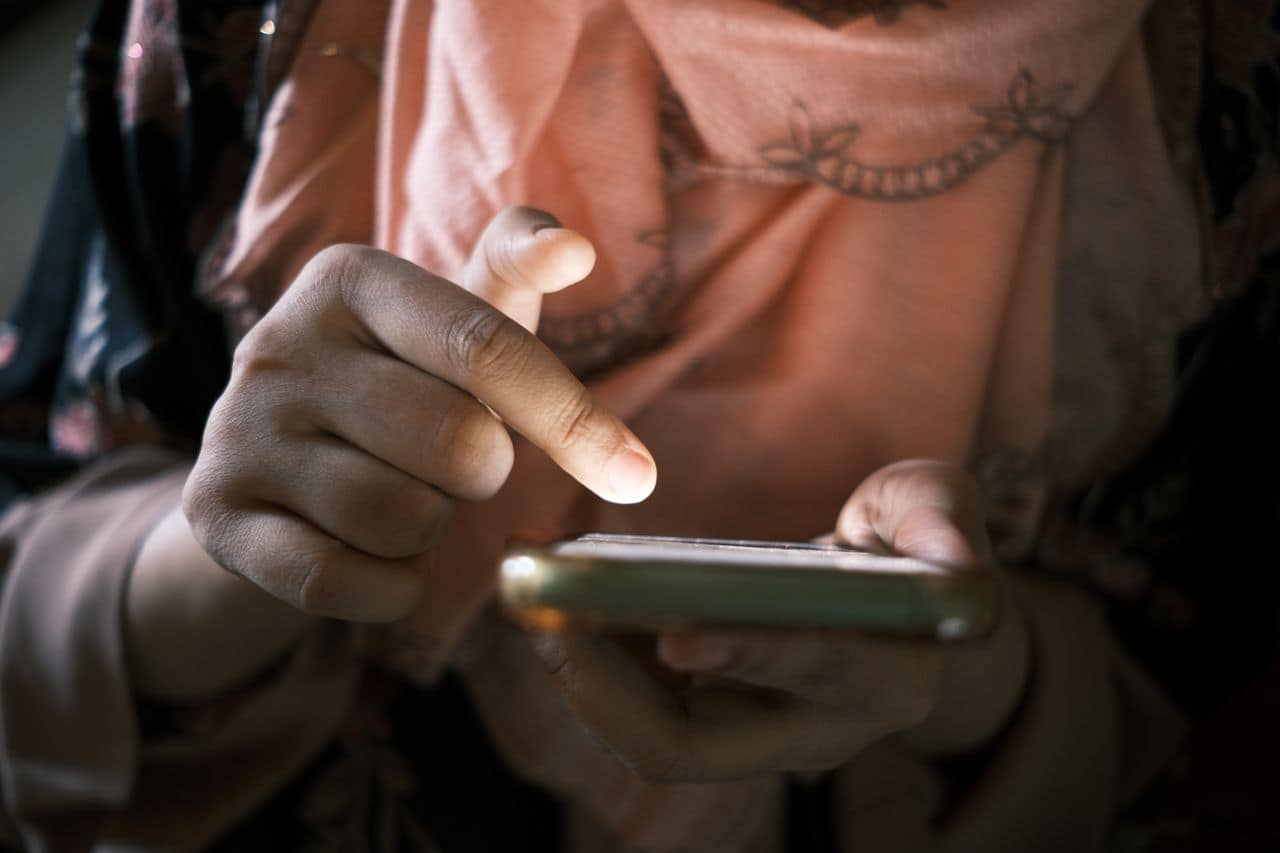
Smartphones have become digital Swiss Army knives. We use them for banking, shopping, travel bookings, and work communication. That convenience creates a larger attack surface. Criminals know that many security tools focus heavily on desktop environments. Mobile users often have fewer visual clues warning them about dangerous websites. A fake login page can appear almost identical to the real thing. Think about how often you scan without thinking. Parking meter? Scan. Event ticket? Scan. Restaurant menu? Scan. Those habits save time, but they also reduce caution.
How Attackers Make Scams Look Legitimate
The best scams rarely look like scams. They mimic trusted brands, official notices, and familiar services. A fake QR code might appear on a delivery notification, a public poster, or a parking machine. Social engineering plays a huge role here. Attackers create urgency. Maybe your package needs verification. Maybe your account requires immediate action. People react first and verify later. Technology is helping criminals refine these tricks. Better website templates and automated tools make fraudulent pages appear polished. Some fake sites are so convincing that even tech-savvy users can hesitate for a moment.
Simple Habits That Reduce Risk
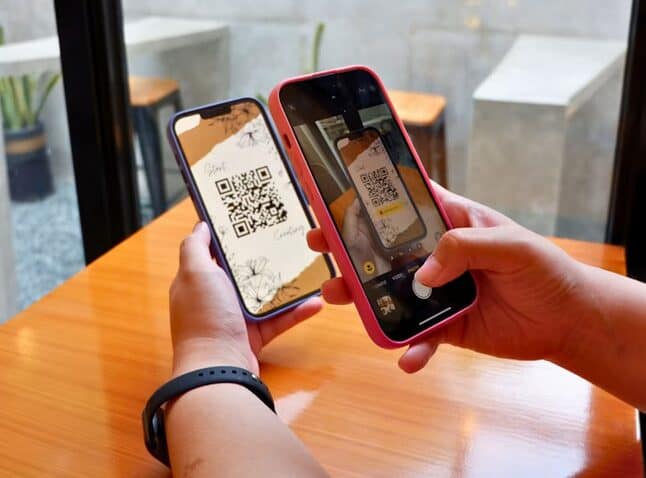
The good news is that avoiding many QR code scams does not require advanced technical knowledge. A few practical habits can dramatically improve your odds. Pause before scanning. Ask yourself if the code comes from a trusted source. If a sticker looks recently placed over another code, treat it as suspicious. Small details often reveal bigger problems. After scanning, check the destination URL before entering any information. If the website address looks strange, leave immediately. That extra three seconds can save hours of headaches later.
Why This Threat Is Growing So Quickly
Quishing succeeds because it blends convenience with deception. QR codes are everywhere, and people interact with them almost automatically. Attackers love anything that bypasses skepticism. As more businesses adopt contactless systems, QR code usage will likely keep expanding. That means awareness becomes just as important as technology. The strongest defense is understanding how these attacks work before encountering one. Cybersecurity often feels like a cat-and-mouse game. Right now, QR code scams are one of the fastest-moving mice on the track. Staying alert, questioning unfamiliar codes, and verifying destinations can help keep your data out of the wrong hands.