
From Design to Finished Print: The Role of Direct to Film Transfers
Custom apparel has become more creative, accessible, and efficient than ever before. At the center of this shift is direct-to-film (DTF) transfer technology, a process that bridges the gap between digital artwork and finished garments. Whether you’re a designer, printer, or brand owner, understanding how DTF transfers work helps explain why they’ve become such an important part of today’s printing workflow.
Starting With the Digital Design
Every great print begins with a solid design. With DTF transfers, artwork is created digitally, allowing for intricate details, full-color gradients, and precise sizing before anything touches fabric. Designers can fine-tune colors and layouts on screen, ensuring the final result matches their vision. This digital-first approach minimizes mistakes and makes revisions faster compared to older printing methods.
Preparing Transfers With Professional Precision
Once the design is finalized, it’s printed onto a special film using DTF inks and adhesive powder. Many brands choose to work with a dtf transfer company at this stage to ensure consistent quality and accurate color reproduction. The film is cured so the ink and adhesive bond properly, creating a transfer that’s ready to be applied when needed. This step is critical because it directly affects how the final print looks and performs on the garment.
Applying the Transfer to the Garment
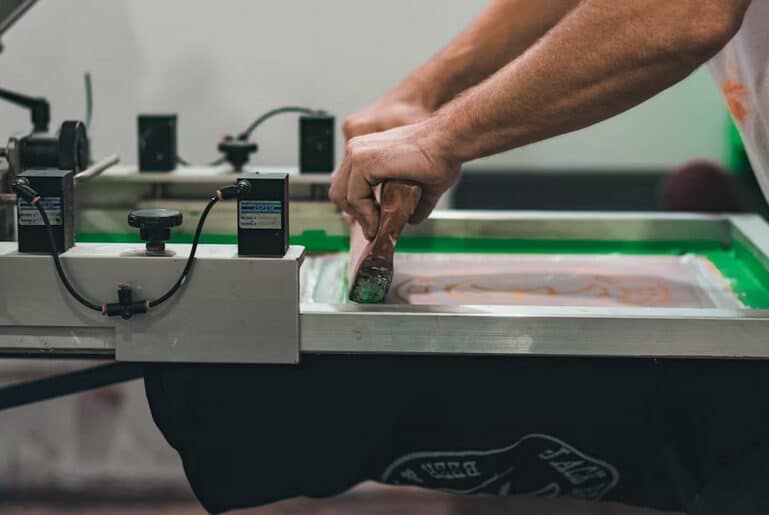
After preparation, the transfer is heat-pressed onto the fabric. Heat and pressure activate the adhesive, allowing the design to bond securely to the garment. Once cooled, the film is peeled away, leaving the printed design behind. The process is straightforward, repeatable, and efficient, which makes it ideal for both small custom runs and larger production orders.
Streamlining Production and Fulfillment
DTF transfers make the production process more flexible. Transfers can be created in advance and stored until an order comes in, reducing turnaround times. This on-demand approach helps businesses manage inventory more efficiently and respond quickly to customer requests. It also simplifies workflows, allowing printers to focus more on quality control and creative projects instead of complex setup processes.
Finishing Prints With the Right Look and Feel
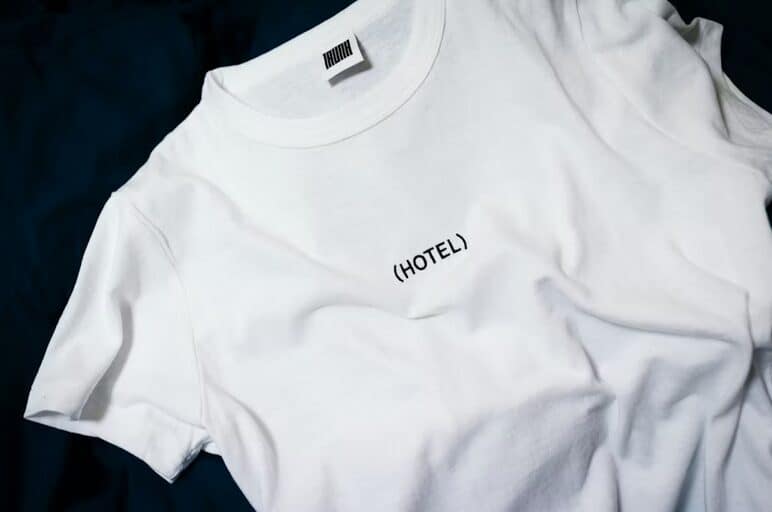
DTF transfers are known for producing vibrant colors and sharp details, but they also offer a comfortable feel. When applied correctly, the print stretches with the fabric and remains soft rather than stiff or heavy. This balance of durability and comfort is a major reason customers prefer DTF-printed apparel for everyday wear, promotional items, and branded merchandise.
Supporting Creativity and Scalability
From independent designers to growing apparel brands, DTF transfers support creativity at every level. Small businesses can test new designs without high upfront costs, while established printers can scale production without sacrificing quality. The ability to reproduce detailed artwork consistently makes DTF an ideal solution for evolving design trends and customer expectations.
Direct-to-film transfers play a crucial role in transforming digital designs into polished, wearable products. By combining design flexibility, fabric versatility, and efficient production, DTF technology has reshaped how custom apparel is made. As the printing industry continues to evolve, DTF transfers remain a reliable and innovative solution for turning creative ideas into finished prints.