
How to Care for a Classic Car to Maintain Its Value
Owning a classic car is as much about preservation as it is about passion, especially when long-term value is a priority. Proper care goes beyond occasional drives and polished appearances, requiring consistent maintenance, correct storage, and attention to original details that collectors value most. From engine health to interior materials, every decision affects how well a classic car retains its value over time. Understanding these fundamentals helps owners enjoy their vehicles today while safeguarding their investment for the future.
Following a Consistent Maintenance Routine
Joining the Beverly Hills Car Club means knowing that regular maintenance is the foundation of preserving a classic car’s value. Oil changes, fluid checks, and inspections should be scheduled rather than waiting for visible problems. Older engines and components rely heavily on clean lubrication and proper adjustments to run smoothly. Ignoring minor leaks or unusual sounds can lead to damage that affects originality and resale potential. Working with mechanics who understand vintage vehicles helps avoid the use of incorrect parts or shortcuts that reduce value. Keeping detailed service records also strengthens the car’s history, which buyers often view as proof of careful ownership and long-term reliability.
Protecting the Exterior and Interior Condition
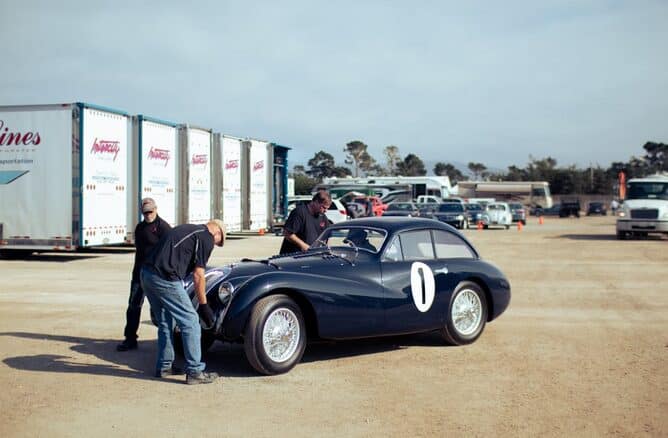 The appearance of a classic car plays a major role in how its value is perceived. Regular washing removes dirt that can damage paint, while proper waxing protects the finish from fading and corrosion. Parking indoors or using a breathable cover helps shield the body from sun exposure and moisture. Inside the car, preserving upholstery and dashboard materials is equally important. Gentle cleaning products prevent cracking and discoloration, which can lower the value. Maintaining original trim, knobs, and finishes keeps the interior authentic, which collectors and enthusiasts consistently prioritize when evaluating condition.
Storing the Vehicle Correctly During Downtime
Storage choices directly affect long-term condition. A dry, temperature-controlled space prevents rust, mold, and deterioration of rubber components. Before extended storage, topping off fluids, disconnecting the battery, and slightly inflating tires reduces wear. Starting the car periodically keeps seals lubricated and prevents mechanical stagnation. Poor storage conditions can undo years of careful care in a short time, which is why storage planning matters as much as driving habits. Proper storage preserves mechanical integrity and visual appeal, both of which contribute to stable and lasting value.
Preserving Originality and Documentation
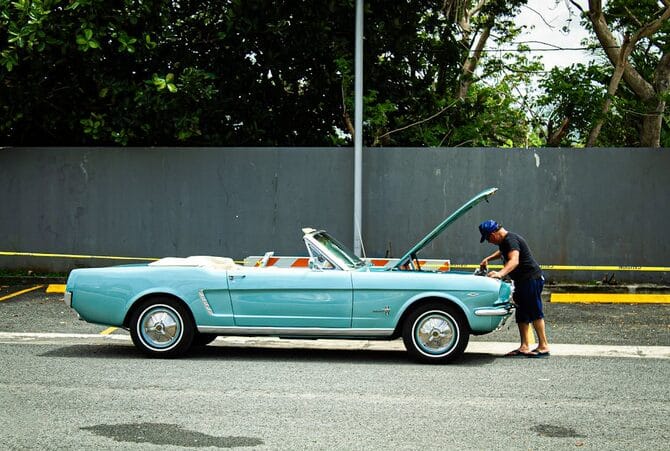
Original parts and accurate records strongly influence a classic car’s worth. Whenever possible, repairs should use period-correct components rather than modern substitutes that alter the vehicle’s character. Modifications may improve performance, but they often reduce appeal to collectors who value authenticity. Keeping original parts even after upgrades provides flexibility for future restoration. Documentation such as ownership history, service invoices, and restoration photos builds trust and credibility. These records tell the car’s story and support valuation, making them just as important as the vehicle itself in maintaining long-term value.
Caring for a classic car requires patience, consistency, and respect for its history. Routine maintenance, thoughtful storage, and attention to originality all work together to protect value over time. Appearance and documentation matter as much as mechanical condition, shaping how the car is viewed by enthusiasts and buyers alike. With the right habits and informed decisions, classic car ownership becomes both rewarding and sustainable. Proper care keeps these vehicles enjoyable to drive while preserving the qualities that make them valuable, admired, and worthy of passing down to the next generation.