Building Success From the Ground up: Why Custom Property Could Be the Key to Business Growth

Before you roll your eyes at the thought of finding a custom space for your company’s needs, consider this: having your own purpose-built location can completely shift how your business performs. To get the right premises for your business, you need to think beyond renting and explore how a custom property can work for you. A company’s physical space tells a story. It shows clients what you value, gives your team comfort and efficiency, and allows operations to run smoothly. A custom property isn’t just an address. But it’s an investment in how you work. Here’s everything you need to know about custom property before it’s too late.

The Power of Space That Fits Like a Glove

Imagine walking into a building that feels made for you. The layout matches your workflow, the lighting suits your brand’s mood, and every inch serves a purpose. That’s what a custom property does, it molds around your needs, not the other way around. For example, a creative agency might need open collaboration zones and natural light, while a manufacturing business might prioritize space for equipment and storage. A pre-built location rarely ticks every box. A custom property, however, gives you the freedom to create a workspace that boosts efficiency and morale at the same time.

Long-Term Value Over Short-Term Savings

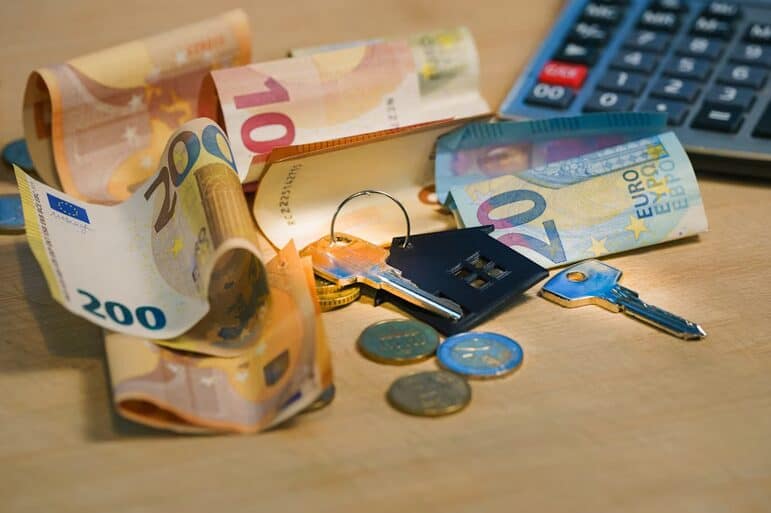
Sure, constructing your own property can seem pricey upfront, but think about what you’re paying for in the long run. Renting might be easier now, but it also means you’re pouring money into someone else’s pocket indefinitely. With a custom property, you’re building equity instead of paying endless rent increases. Beyond finances, you gain control. You decide when to renovate, how to expand, and what upgrades to add. You’re not restricted by a landlord’s limitations or outdated infrastructure. That control alone can pay off massively over time, both in flexibility and in profit.

Brand Identity That Starts With the Building

Your office, store, or studio isn’t just a workspace. It’s part of your marketing. People notice architecture, layout, and design more than you think. A well-built custom property sends a clear message: professionalism, stability, and purpose. Think of how major brands like Apple or Google design their buildings. Their spaces aren’t just functional, but they’re part of their image. Your business might not need a spaceship-shaped office, but having a location that echoes your brand’s personality makes an unforgettable impression on clients and employees alike.

Practical Perks You Didn’t Think About

custom space

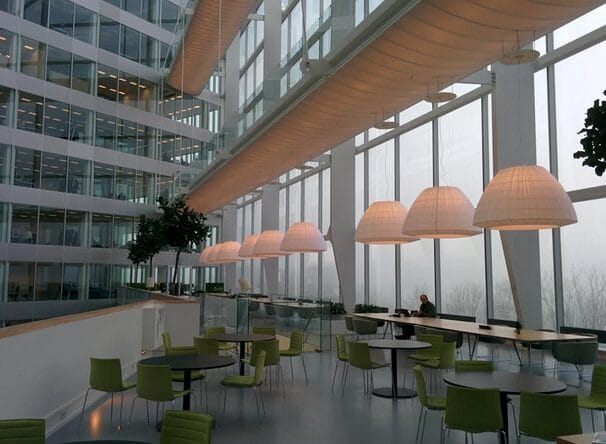
There’s also the daily comfort factor. A custom property can be designed for energy efficiency, natural lighting, and acoustics, all things that impact how people feel at work. The better the atmosphere, the better the performance. Plus, custom builds can integrate modern technologies from the start. Smart energy systems, security setups, and modular designs make your building future-ready. You won’t have to retrofit old structures or fight with outdated layouts. Everything just fits, and functions the way you want.

Making the Decision: Is It Worth It?

Building your own business property isn’t for everyone, but it’s worth serious consideration if growth and long-term stability are part of your plan. It gives you freedom, a sense of creativity, along with financial and operational value. It’s like owning the stage instead of renting a spotlight. If your business is at a turning point, a custom property might be the smartest next step. You’ll shape your environment to suit your vision and send a powerful message about your brand’s future. With the right planning, the investment can transform not just your space, but the success that grows inside it.

hosting an event

Hosting Events Doesn’t Have to Be Stressful: Try These Easy Tips

Hosting an event feels like juggling flaming torches while riding a unicycle, right? There’s a schedule to manage, a guest list that keeps growing, and that one person who always RSVPs late. But the truth is, it doesn’t have to be a headache. Much like crafting a good Election strategy, a smart event plan starts with clear priorities, quick decisions, and a little flexibility when things go sideways.

Start Small and Think Smart

event

The biggest trap people fall into is overcomplicating everything. You don’t need 50 different appetizers or a massive light show to impress guests. Sometimes, the most memorable events come from simple setups and genuine vibes. Keep the essentials front and center—food, flow, and fun. Start by writing down the three things you actually care about most for your event. Maybe it’s the playlist, maybe it’s the crowd energy, maybe it’s the tacos. Once you know your focus, the rest falls into place. Remember, good planning doesn’t mean doing more. It means doing what matters and skipping what doesn’t.

Make a Game Plan You’ll Actually Follow

Planning can be exciting at first—until the to-do list gets so long you want to pretend it doesn’t exist. The trick is to break it down into bite-sized tasks. Handle one piece at a time. Think of it like stacking blocks instead of building a castle in one go. My friend once planned a surprise birthday party without writing anything down. He forgot the cake. Don’t be that person. Use your notes app or even an old-school planner. List your priorities, assign time frames, and leave room for hiccups. Because there will be hiccups, and that’s okay. A calm host is always the real MVP.

Delegate Like You Mean It

delegation process

You can’t do everything yourself, no matter how much caffeine you’ve had. Delegation isn’t weakness—it’s a strategy. Ask for help early, and be clear about what you need. Friends, family, or even hired hands can make a massive difference. If you’re the control-freak type, remind yourself that people usually want to help. Give them tasks they can actually handle, and then step back. You’ll be surprised how freeing it feels to let someone else handle the small stuff while you focus on the big picture. Events are meant to be shared experiences, not personal marathons.

Create an Atmosphere That Feels Effortless

An event’s mood sets the tone long before the first guest walks in. Think lighting, music, and energy. Keep things welcoming and light. You don’t need to overdesign—just aim for a space where people feel comfortable and connected. Good hosts pay attention without hovering. Be present, but not overbearing. Float around, chat casually, and make sure everyone’s having a good time. A great atmosphere doesn’t happen by accident—it comes from small, intentional choices that make people feel seen.

Enjoy the Chaos (Because There Will Be Some)

chaos in events

Let’s face it: something will go wrong. Maybe the mic cuts out, the pizza arrives late, or the playlist accidentally skips to a sad ballad mid-party. Laugh it off. Guests won’t remember the glitches; they’ll remember how you handled them. Hosting isn’t about perfection. It’s about connection. It’s the shared laughter, the stories, the music that hits just right. When you stop trying to control every detail, you actually get to enjoy the event you worked so hard to create.

digital business

Why Digital Transformation Is No Longer Optional for Businesses

Digital transformation is no longer something businesses can afford to treat as optional or future-facing. What was once viewed as a forward-thinking advantage has now become the baseline for survival and relevance. The pace at which technology continues to evolve is reshaping every aspect of how businesses operate, serve customers, and stay competitive. From automation and cloud services to digital payments and data-driven marketing, the shift is comprehensive.

Digital transformation is a key part of broader business transformation, where strategy, operations, and culture evolve together to meet modern demands. No matter the size or type of business whether it’s a local café, a boutique agency, or a multinational enterprise the pressure to adapt is the same. Today’s consumers, suppliers, and partners expect speed, efficiency, and convenience, all of which are driven by digital systems. Businesses that cling to outdated models often struggle to keep up with demands or to scale effectively.

Customer Expectations Have Changed

Modern customers are tech-savvy. They expect fast responses, easy access to information, and seamless service across digital channels. If a business cannot meet those expectations, customers won’t hesitate to go elsewhere. People want to browse online, make payments through apps, and receive updates in real-time. The ability to meet these needs plays a key role in customer loyalty and retention.

Competitive Pressure Is Rising

Digital competitors are entering every market. New businesses are launching online-only models that require less overhead but offer more value. These startups can scale quickly and operate efficiently from day one. To stay relevant, established businesses must adapt. Waiting too long means losing ground. Adopting digital tools can help traditional companies keep pace with newer, more agile players. It means understanding what tools best suit your unique goals and challenges. The process involves training staff, rethinking workflows, and regularly assessing what’s working.

Efficiency Starts With Technology

virtual meeting

Traditional systems often slow down internal operations. Paper-based processes, manual inventory, and outdated communication tools create bottlenecks. Digital solutions, from cloud storage to automation software, allow teams to work better and faster. Employees spend less time on repetitive tasks and more time on strategic work. It also reduces human error and makes data easier to access and analyze. Digital transformation isn’t a one-time project. It’s a continuous process.

Data Drives Smarter Decisions

In a digital environment, every click, transaction, and interaction creates valuable data. This information offers insights into customer behavior, sales trends, and operational challenges. Businesses that collect and study this data make better decisions. They understand what’s working, what needs to change, and where to invest next. Without digital tools, tracking such insights becomes difficult and time-consuming.

Resilience Is Ensured Through Change

digital

The COVID-19 pandemic proved how essential digital readiness can be. Businesses that had already adopted digital tools adapted quickly to remote work, online sales, and changing customer behavior. Those that had not were forced to scramble. Even beyond a crisis, the ability to pivot and adapt is crucial. Digital transformation strengthens a company’s resilience by making operations more flexible and responsive.

Today’s business world demands speed, convenience, and adaptability. Digital transformation delivers all three. It enables better service, stronger performance, and smarter growth. Businesses that embrace it position themselves for long-term success. Those that resist risk falling behind. Making the shift is not always easy, but it’s essential and no longer optional.