From Design to Finished Print: The Role of Direct to Film Transfers

Custom apparel has become more creative, accessible, and efficient than ever before. At the center of this shift is direct-to-film (DTF) transfer technology, a process that bridges the gap between digital artwork and finished garments. Whether you’re a designer, printer, or brand owner, understanding how DTF transfers work helps explain why they’ve become such an important part of today’s printing workflow.

Starting With the Digital Design

Every great print begins with a solid design. With DTF transfers, artwork is created digitally, allowing for intricate details, full-color gradients, and precise sizing before anything touches fabric. Designers can fine-tune colors and layouts on screen, ensuring the final result matches their vision. This digital-first approach minimizes mistakes and makes revisions faster compared to older printing methods.

Preparing Transfers With Professional Precision

Once the design is finalized, it’s printed onto a special film using DTF inks and adhesive powder. Many brands choose to work with a dtf transfer company at this stage to ensure consistent quality and accurate color reproduction. The film is cured so the ink and adhesive bond properly, creating a transfer that’s ready to be applied when needed. This step is critical because it directly affects how the final print looks and performs on the garment.

Applying the Transfer to the Garment
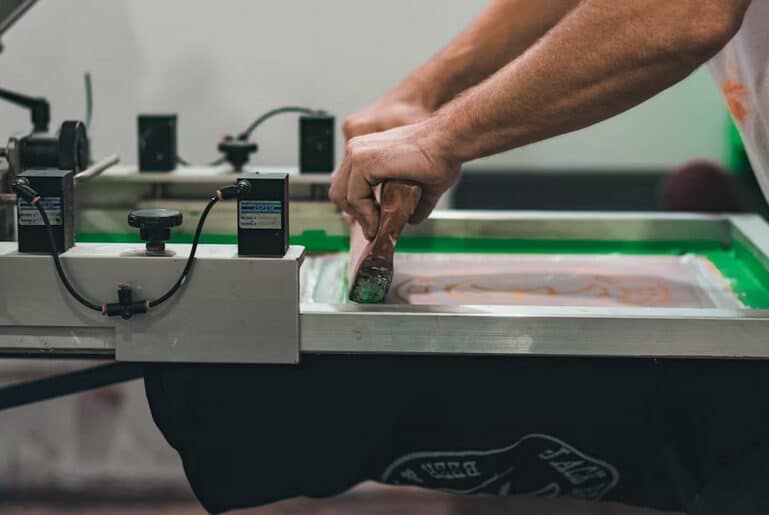
After preparation, the transfer is heat-pressed onto the fabric. Heat and pressure activate the adhesive, allowing the design to bond securely to the garment. Once cooled, the film is peeled away, leaving the printed design behind. The process is straightforward, repeatable, and efficient, which makes it ideal for both small custom runs and larger production orders.

Streamlining Production and Fulfillment

DTF transfers make the production process more flexible. Transfers can be created in advance and stored until an order comes in, reducing turnaround times. This on-demand approach helps businesses manage inventory more efficiently and respond quickly to customer requests. It also simplifies workflows, allowing printers to focus more on quality control and creative projects instead of complex setup processes.

Finishing Prints With the Right Look and Feel

garment

DTF transfers are known for producing vibrant colors and sharp details, but they also offer a comfortable feel. When applied correctly, the print stretches with the fabric and remains soft rather than stiff or heavy. This balance of durability and comfort is a major reason customers prefer DTF-printed apparel for everyday wear, promotional items, and branded merchandise.

Supporting Creativity and Scalability

From independent designers to growing apparel brands, DTF transfers support creativity at every level. Small businesses can test new designs without high upfront costs, while established printers can scale production without sacrificing quality. The ability to reproduce detailed artwork consistently makes DTF an ideal solution for evolving design trends and customer expectations.

Direct-to-film transfers play a crucial role in transforming digital designs into polished, wearable products. By combining design flexibility, fabric versatility, and efficient production, DTF technology has reshaped how custom apparel is made. As the printing industry continues to evolve, DTF transfers remain a reliable and innovative solution for turning creative ideas into finished prints.


pink flowers

Top Pink Flowers for Valentine’s Day Bouquets

Pink flowers have a softer voice, but they still know how to flirt. They whisper affection instead of shouting passion, which feels just right for Valentine’s Day. You may have searched for pink flowers after realizing Valentine’s Day is near, and it’s time to spark up some romance in your life. A pink bouquet says “I care” without making anyone blush too hard. Choosing the right blooms adds charm, balance, and just enough sparkle to make hearts flutter. Here are the most viral pink flowers that will be booming this Valentine’s Day.

Pink Peonies

basket Pink peonies feel generous and romantic in the best way. Their fluffy layers fill space quickly, making bouquets look lush and abundant. One peony can steal the spotlight without trying. They feel like a warm hug in flower form. Peonies add elegance even to simple bouquets. Their availability is limited, which adds to their charm. When peonies appear, they feel special and timely. Their soft scent adds another sweet detail. People tend to remember peonies long after Valentine’s Day ends. Combining them with soft greenery highlights their texture beautifully.


Pink Roses

Pink roses are classic, but they never feel boring. They carry messages of admiration, sweetness, and warm feelings that linger. Light pink shades feel innocent and dreamy, while deeper tones feel confident and intentional. This range makes them easy to match with different personalities. They also behave well once delivered. Petals open slowly, almost like they are taking their time to show off. With fresh water, they stay graceful for days. Pink roses are like that friend who always shows up looking put together. They can brighten any room and add a touch of romance without being overwhelming.

Pink Carnations

Pink carnations deserve more love than they usually get. They symbolize gratitude and long-lasting affection, which fits Valentine’s Day perfectly. Their ruffled petals add softness without overwhelming other flowers. This makes them excellent supporting players. Carnations are budget-friendly but still feel charming. They are also champions of longevity. Carnations last longer than many popular blooms. Their color holds steady, and petals resist drooping. For bouquets meant to stay cheerful past the weekend, they are a quiet win. They pair well with roses and tulips for a layered effect.

Pink Tulips

tulips

Pink tulips feel clean, modern, and quietly romantic. Their smooth petals and simple shape give bouquets a polished look. They suit people who appreciate calm beauty over dramatic flair. There is something comforting about their structure. Tulips are perfect for pairing with other spring blooms. As a matter of fact, tulips continue growing even after being cut, which feels a little magical. They stretch toward light and shift positions in the vase. This gentle movement adds personality. It is like watching flowers wake up each morning. Their stems are elegant and simple, making them ideal for minimalistic arrangements.

Pink Gerberas

Pink gerbera daisies bring joy with a wink. Their bright centers and bold petals feel playful and optimistic. They are perfect for lighthearted relationships and cheerful personalities. These flowers smile back. Gerberas are versatile in bouquet sizes and arrangements. Gerberas do need a bit of care. Their stems like clean water and steady attention. When treated kindly, they stay vibrant and bold. Their color keeps spirits high even on gloomy days. Mixing them with softer flowers can prevent their brightness from overwhelming the bouquet.

Pink flowers offer many ways to say “you matter.” Roses feel romantic, tulips feel fresh, carnations feel dependable, peonies feel indulgent, and gerberas feel happy. The right mix creates balance and charm without trying too hard. When chosen thoughtfully and handled well, a pink Valentine’s bouquet becomes more than a gift.

beetle collector

How to Care for a Classic Car to Maintain Its Value

Owning a classic car is as much about preservation as it is about passion, especially when long-term value is a priority. Proper care goes beyond occasional drives and polished appearances, requiring consistent maintenance, correct storage, and attention to original details that collectors value most. From engine health to interior materials, every decision affects how well a classic car retains its value over time. Understanding these fundamentals helps owners enjoy their vehicles today while safeguarding their investment for the future.

Following a Consistent Maintenance Routine

Joining the Beverly Hills Car Club means knowing that regular maintenance is the foundation of preserving a classic car’s value. Oil changes, fluid checks, and inspections should be scheduled rather than waiting for visible problems. Older engines and components rely heavily on clean lubrication and proper adjustments to run smoothly. Ignoring minor leaks or unusual sounds can lead to damage that affects originality and resale potential. Working with mechanics who understand vintage vehicles helps avoid the use of incorrect parts or shortcuts that reduce value. Keeping detailed service records also strengthens the car’s history, which buyers often view as proof of careful ownership and long-term reliability.

Protecting the Exterior and Interior Condition

The appearance of a classic car plays a major role in how its value is perceived. Regular washing removes dirt that can damage paint, while proper waxing protects the finish from fading and corrosion. Parking indoors or using a breathable cover helps shield the body from sun exposure and moisture. Inside the car, preserving upholstery and dashboard materials is equally important. Gentle cleaning products prevent cracking and discoloration, which can lower the value. Maintaining original trim, knobs, and finishes keeps the interior authentic, which collectors and enthusiasts consistently prioritize when evaluating condition.

Storing the Vehicle Correctly During Downtime

Storage choices directly affect long-term condition. A dry, temperature-controlled space prevents rust, mold, and deterioration of rubber components. Before extended storage, topping off fluids, disconnecting the battery, and slightly inflating tires reduces wear. Starting the car periodically keeps seals lubricated and prevents mechanical stagnation. Poor storage conditions can undo years of careful care in a short time, which is why storage planning matters as much as driving habits. Proper storage preserves mechanical integrity and visual appeal, both of which contribute to stable and lasting value.

Preserving Originality and Documentation

car parts

Original parts and accurate records strongly influence a classic car’s worth. Whenever possible, repairs should use period-correct components rather than modern substitutes that alter the vehicle’s character. Modifications may improve performance, but they often reduce appeal to collectors who value authenticity. Keeping original parts even after upgrades provides flexibility for future restoration. Documentation such as ownership history, service invoices, and restoration photos builds trust and credibility. These records tell the car’s story and support valuation, making them just as important as the vehicle itself in maintaining long-term value.

Caring for a classic car requires patience, consistency, and respect for its history. Routine maintenance, thoughtful storage, and attention to originality all work together to protect value over time. Appearance and documentation matter as much as mechanical condition, shaping how the car is viewed by enthusiasts and buyers alike. With the right habits and informed decisions, classic car ownership becomes both rewarding and sustainable. Proper care keeps these vehicles enjoyable to drive while preserving the qualities that make them valuable, admired, and worthy of passing down to the next generation.

car

Benefits of Hiring a Lawyer for Cross-Border Vehicle Accidents

Traveling across countries can be exciting, but it also brings unique risks, particularly on the road. Vehicle accidents that occur in foreign jurisdictions introduce a labyrinth of legal challenges and insurance hurdles, often leaving victims overwhelmed. Seeking professional guidance from a car crash law firm can make a profound difference in protecting your rights and securing fair compensation. From handling unfamiliar legal systems to advocating on your behalf, lawyers specializing in cross-border vehicle accidents offer critical expertise that can significantly impact the outcome of your case.

Expertise in International Legal Systems

One of the primary advantages of hiring a lawyer for cross-border vehicle accidents is their in-depth understanding of international laws. Each country has its own traffic regulations, insurance requirements, and liability rules. A lawyer with experience in cross-border cases can interpret local statutes and advise you on how to proceed effectively. This prevents costly mistakes that could arise from assuming that your home country’s legal principles apply abroad. Their guidance also ensures that all procedural requirements are met, avoiding delays or dismissals that could jeopardize your claim.

Maximizing Compensation for Damages

Insurance claims for international accidents can be tricky. Differences in coverage policies, liability standards, and medical expense calculations can create confusion. A knowledgeable lawyer advocates for your interests, helping you document injuries, property damage, and other losses properly. They can negotiate with foreign insurance companies or government agencies, increasing the likelihood of obtaining a settlement that reflects the full extent of your damages. Without professional representation, many victims accept lower compensation than they deserve due to misunderstandings or intimidation by unfamiliar systems.

Efficient Handling of Cross-Border Communication

talking

Coordinating with multiple parties across different countries can be stressful and time-consuming. Lawyers act as intermediaries between you, insurance providers, medical professionals, and legal authorities abroad. This centralized communication reduces missteps and keeps the case progressing smoothly. Additionally, legal professionals understand how to manage language barriers, cultural differences, and local bureaucracy. By streamlining correspondence and documentation, a lawyer can expedite case resolution while minimizing the risk of miscommunication or lost information that could weaken your claim.

Guidance Through Complex Evidence Collection

Gathering and presenting evidence is a critical step in any personal injury case, and cross-border incidents add layers of difficulty. Collecting police reports, witness statements, accident scene photographs, and medical records in a foreign country requires both knowledge of local protocols and the ability to authenticate documents for legal use. A cross-border lawyer has established networks and understands local procedural rules, ensuring that evidence is collected efficiently and submitted in compliance with legal standards. Properly handled documentation strengthens your case and improves your chances of a favorable outcome.

Peace of Mind and Strategic Advocacy

people Perhaps the most overlooked benefit of hiring a lawyer is the reassurance that comes with expert representation. Dealing with an accident in a foreign country can be intimidating, but a lawyer provides guidance, advocacy, and support throughout the process. They can develop strategic approaches tailored to your circumstances, anticipate potential legal obstacles, and advise you on the best course of action. This allows you to focus on recovery and daily life while your legal representative manages the technicalities and negotiations. Knowing that your case is being handled by an experienced professional reduces stress and increases confidence in achieving a successful resolution.

Cross-border vehicle accidents present an array of challenges that go beyond the typical legal hurdles of a domestic collision. Engaging a lawyer provides invaluable benefits, including navigating unfamiliar legal frameworks, maximizing compensation, coordinating communication, collecting evidence, and offering strategic advocacy. With professional guidance, victims can avoid pitfalls, expedite proceedings, and protect their rights effectively. Ultimately, securing legal expertise for international vehicle incidents is not merely about winning a claim—it is about safeguarding your interests, reducing uncertainty, and achieving justice in a situation that is often overwhelming.