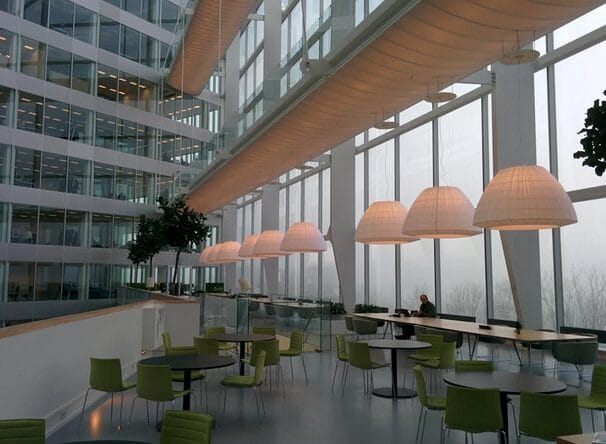
open pit

Iron, Innovation, and Impact: Exploring the Evolution of Mining Machinery

Mining has always been a cornerstone of human progress, providing the raw materials that build infrastructure, fuel industry, and drive technological development. Over the centuries, the machinery used to extract these resources has evolved dramatically—from simple hand tools and steam-powered equipment to high-tech automated machines that can work safely and efficiently in extreme conditions. Understanding this evolution not only highlights engineering ingenuity but also demonstrates how the industry adapts to challenges and opportunities over time.

Industrialization and the Rise of Iron Machinery

The Industrial Revolution marked a turning point in mining technology. The introduction of iron and steel machinery allowed miners to extract ore at unprecedented scales. Steam engines powered pumps, drills, and lifts, dramatically increasing efficiency and depth of excavation. During periods of consolidation in the industry, including significant merger activity among mining companies, investment in machinery accelerated, enabling larger operations and more consistent production outputs. These advances set the stage for modern mining machinery as we know it.

Diesel and Electrification: Powering Modern Mines

The 20th century brought diesel engines and electric-powered equipment into the mining sector. Trucks, loaders, and drills powered by these technologies made it possible to move larger volumes of ore while reducing reliance on labor-intensive processes. Electrification improved precision and control, enabling safer and more efficient extraction. This era also saw the standardization of equipment designs, allowing companies to scale operations while maintaining reliability and cost-effectiveness.

Automation and Robotics: A High-Tech Revolution
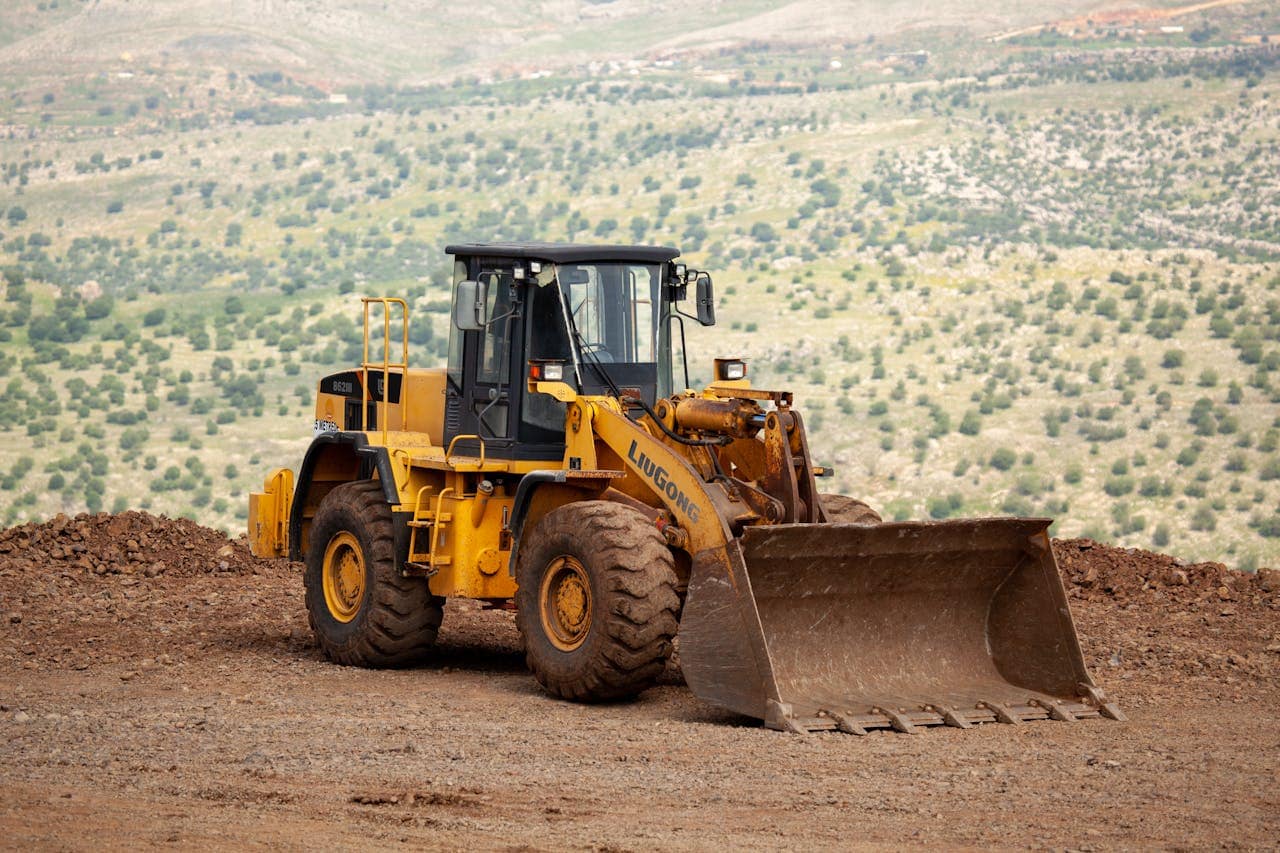
loader

Recent decades have witnessed a shift toward automation and robotics in mining. Remote-controlled loaders, autonomous haul trucks, and robotic drills now perform tasks that were once dangerous or physically demanding. Automation not only enhances safety but also increases productivity by allowing 24/7 operation and precise control over material handling. Sensors, GPS, and AI-driven software work in tandem with machinery to optimize routes, monitor wear and tear, and predict maintenance needs before breakdowns occur.

Environmental and Efficiency Innovations

Modern mining machinery is increasingly designed with environmental and efficiency considerations in mind. Advanced equipment reduces fuel consumption, minimizes emissions, and limits the ecological impact of extraction processes. Water and dust management systems, energy-efficient engines, and waste-reducing technologies are now standard features in many mines. This focus on sustainability allows the industry to balance productivity with responsibility, creating a path toward greener mining practices.

The Global Impact of Machinery Evolution

The evolution of mining machinery has not only transformed individual operations but also reshaped global industries. Increased efficiency and scale have lowered production costs, making raw materials more accessible and affordable. Infrastructure projects, technology development, and manufacturing all rely on the availability of minerals mined using sophisticated equipment. Moreover, machinery innovation has driven economic growth and job creation in regions surrounding major mining operations, contributing to broader social and economic impacts.

The story of mining machinery is one of continuous innovation, adapting to technological possibilities, industrial demands, and environmental considerations. From iron-powered steam engines to AI-driven autonomous machines, each leap forward has redefined what is possible in the extraction of minerals. Today, the combination of safety, efficiency, and sustainability reflects an industry that honors its legacy while looking toward a high-tech, responsible future. Understanding this evolution underscores not only the ingenuity of engineers and operators but also the profound impact machinery has on society and industry as a whole.


Building Success From the Ground up: Why Custom Property Could Be the Key to Business Growth

Before you roll your eyes at the thought of finding a custom space for your company’s needs, consider this: having your own purpose-built location can completely shift how your business performs. To get the right premises for your business, you need to think beyond renting and explore how a custom property can work for you. A company’s physical space tells a story. It shows clients what you value, gives your team comfort and efficiency, and allows operations to run smoothly. A custom property isn’t just an address. But it’s an investment in how you work. Here’s everything you need to know about custom property before it’s too late.

The Power of Space That Fits Like a Glove

Imagine walking into a building that feels made for you. The layout matches your workflow, the lighting suits your brand’s mood, and every inch serves a purpose. That’s what a custom property does, it molds around your needs, not the other way around. For example, a creative agency might need open collaboration zones and natural light, while a manufacturing business might prioritize space for equipment and storage. A pre-built location rarely ticks every box. A custom property, however, gives you the freedom to create a workspace that boosts efficiency and morale at the same time.

Long-Term Value Over Short-Term Savings

Sure, constructing your own property can seem pricey upfront, but think about what you’re paying for in the long run. Renting might be easier now, but it also means you’re pouring money into someone else’s pocket indefinitely. With a custom property, you’re building equity instead of paying endless rent increases. Beyond finances, you gain control. You decide when to renovate, how to expand, and what upgrades to add. You’re not restricted by a landlord’s limitations or outdated infrastructure. That control alone can pay off massively over time, both in flexibility and in profit.

Brand Identity That Starts With the Building

Your office, store, or studio isn’t just a workspace. It’s part of your marketing. People notice architecture, layout, and design more than you think. A well-built custom property sends a clear message: professionalism, stability, and purpose. Think of how major brands like Apple or Google design their buildings. Their spaces aren’t just functional, but they’re part of their image. Your business might not need a spaceship-shaped office, but having a location that echoes your brand’s personality makes an unforgettable impression on clients and employees alike.

Practical Perks You Didn’t Think About

custom space

There’s also the daily comfort factor. A custom property can be designed for energy efficiency, natural lighting, and acoustics, all things that impact how people feel at work. The better the atmosphere, the better the performance. Plus, custom builds can integrate modern technologies from the start. Smart energy systems, security setups, and modular designs make your building future-ready. You won’t have to retrofit old structures or fight with outdated layouts. Everything just fits, and functions the way you want.

Making the Decision: Is It Worth It?

Building your own business property isn’t for everyone, but it’s worth serious consideration if growth and long-term stability are part of your plan. It gives you freedom, a sense of creativity, along with financial and operational value. It’s like owning the stage instead of renting a spotlight. If your business is at a turning point, a custom property might be the smartest next step. You’ll shape your environment to suit your vision and send a powerful message about your brand’s future. With the right planning, the investment can transform not just your space, but the success that grows inside it.

hosting an event

Hosting Events Doesn’t Have to Be Stressful: Try These Easy Tips

Hosting an event feels like juggling flaming torches while riding a unicycle, right? There’s a schedule to manage, a guest list that keeps growing, and that one person who always RSVPs late. But the truth is, it doesn’t have to be a headache. Much like crafting a good Election strategy, a smart event plan starts with clear priorities, quick decisions, and a little flexibility when things go sideways.

Start Small and Think Smart

event

The biggest trap people fall into is overcomplicating everything. You don’t need 50 different appetizers or a massive light show to impress guests. Sometimes, the most memorable events come from simple setups and genuine vibes. Keep the essentials front and center—food, flow, and fun. Start by writing down the three things you actually care about most for your event. Maybe it’s the playlist, maybe it’s the crowd energy, maybe it’s the tacos. Once you know your focus, the rest falls into place. Remember, good planning doesn’t mean doing more. It means doing what matters and skipping what doesn’t.

Make a Game Plan You’ll Actually Follow

Planning can be exciting at first—until the to-do list gets so long you want to pretend it doesn’t exist. The trick is to break it down into bite-sized tasks. Handle one piece at a time. Think of it like stacking blocks instead of building a castle in one go. My friend once planned a surprise birthday party without writing anything down. He forgot the cake. Don’t be that person. Use your notes app or even an old-school planner. List your priorities, assign time frames, and leave room for hiccups. Because there will be hiccups, and that’s okay. A calm host is always the real MVP.

Delegate Like You Mean It

delegation process

You can’t do everything yourself, no matter how much caffeine you’ve had. Delegation isn’t weakness—it’s a strategy. Ask for help early, and be clear about what you need. Friends, family, or even hired hands can make a massive difference. If you’re the control-freak type, remind yourself that people usually want to help. Give them tasks they can actually handle, and then step back. You’ll be surprised how freeing it feels to let someone else handle the small stuff while you focus on the big picture. Events are meant to be shared experiences, not personal marathons.

Create an Atmosphere That Feels Effortless

An event’s mood sets the tone long before the first guest walks in. Think lighting, music, and energy. Keep things welcoming and light. You don’t need to overdesign—just aim for a space where people feel comfortable and connected. Good hosts pay attention without hovering. Be present, but not overbearing. Float around, chat casually, and make sure everyone’s having a good time. A great atmosphere doesn’t happen by accident—it comes from small, intentional choices that make people feel seen.

Enjoy the Chaos (Because There Will Be Some)

chaos in events

Let’s face it: something will go wrong. Maybe the mic cuts out, the pizza arrives late, or the playlist accidentally skips to a sad ballad mid-party. Laugh it off. Guests won’t remember the glitches; they’ll remember how you handled them. Hosting isn’t about perfection. It’s about connection. It’s the shared laughter, the stories, the music that hits just right. When you stop trying to control every detail, you actually get to enjoy the event you worked so hard to create.

house

Homes That Hear You: Smart Real Estate Designs That Integrate Music & AI

Imagine walking into your home after a long day, and without touching a single button, soft jazz starts playing in the background while the lights dim to your favorite evening setting. This isn’t science fiction—it’s the future of real estate, and it’s already starting to take shape. With artificial intelligence and smart technology becoming central to home design, music is no longer just an add-on feature. It’s becoming part of the home’s “emotional intelligence”—a way to sense, adapt, and respond to how you feel.

AI and Music Create Personalized Living Spaces

hand The integration of music and AI in home design is all about creating an environment that adapts to your lifestyle. Smart homes now use voice recognition, movement sensors, and emotional AI to understand your routines, preferences, and moods. For instance, some systems analyze your tone of voice or facial expressions and adjust the music accordingly. According to bigfm.de/nachrichten/stories/so-beeinflusst-ki-schon-heute-unseren-alltag, AI is already influencing our daily lives in subtle ways—from recommending playlists to managing smart assistants that help set the atmosphere. Now, those same systems are being embedded into real estate design.
Architectural Design Meets Acoustic Intelligence

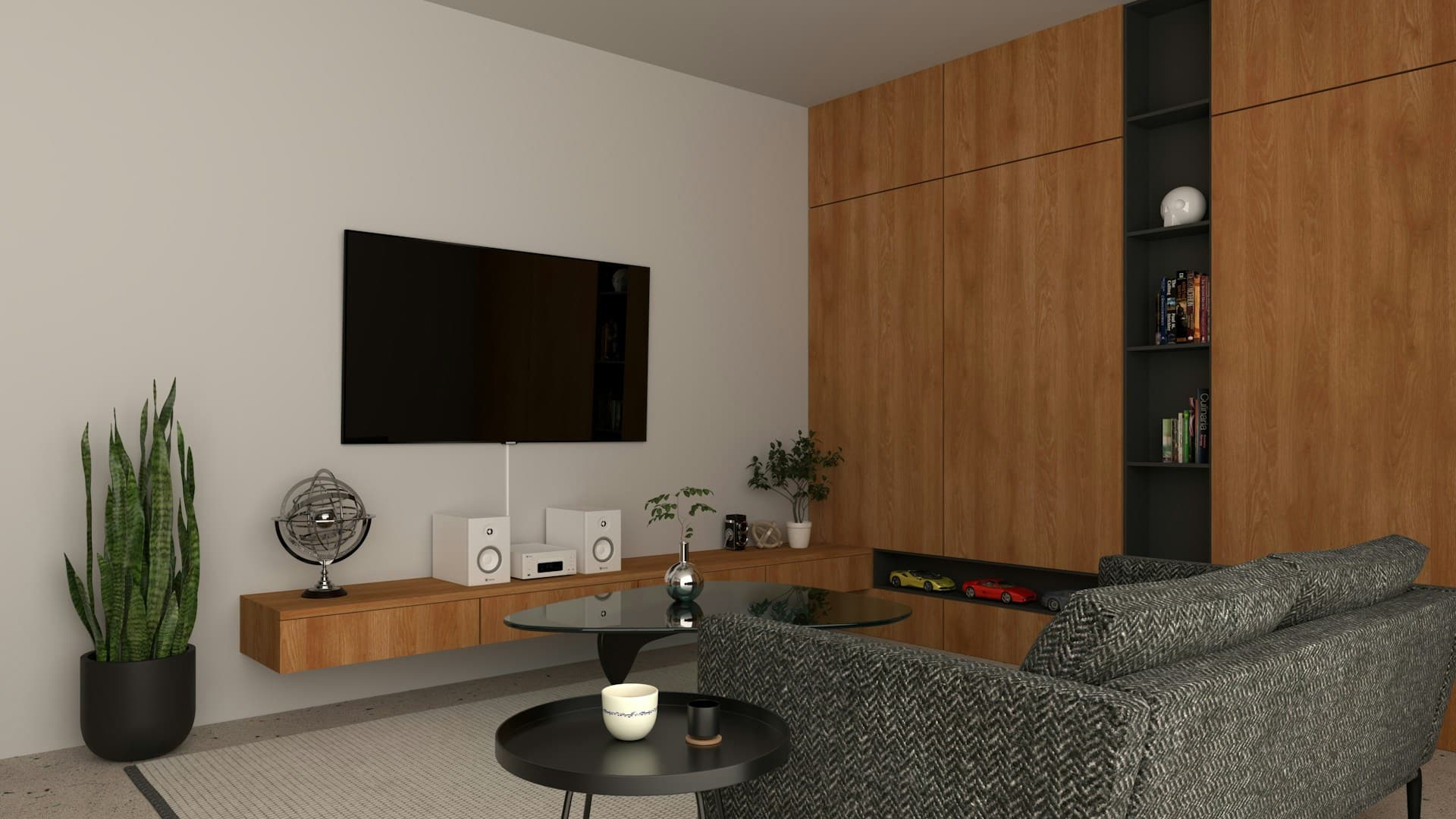
Designing smart homes goes beyond tech—it starts with how the space is built. Architects and developers are now considering soundscapes during the planning phase of a home, integrating acoustic-friendly materials and speaker systems into walls, ceilings, and furniture. This means better sound quality and more immersive musical experiences. Paired with AI, these homes know when to turn up the beat for a workout session or lower the volume for a quiet dinner. It’s music with intent, tailored to the room and moment.

Multi-Room Audio, Seamless and Smart

television

Thanks to advancements in AI and wireless technology, homeowners can enjoy music that follows them from room to room without missing a beat. Smart systems recognize which spaces are occupied and adjust the audio levels or even change the genre depending on who’s in the room. It’s perfect for families with different tastes or those who use music to boost productivity during the day and unwind at night. Plus, you can control it all with voice commands or even let the AI automate it for you.

The Mood-Boosting Power of AI-Curated Playlists

Music has a powerful effect on our emotions, and smart homes are learning how to harness that. AI algorithms can now curate playlists not just based on your past favorites, but on your current mood or activity. Woke up feeling groggy? Your smart speaker might start your morning with upbeat pop. Hosting a dinner party? The AI may switch to smooth instrumentals. These intuitive music choices create a deeper emotional connection to your space and enhance your overall well-being.

Future-Proofing Real Estate With Tech Integration

speaker Incorporating music and AI into home design isn’t just a luxury—it’s becoming a selling point. As more buyers look for homes that come equipped with smart features, real estate developers are stepping up to meet the demand. Integrating audio and AI during the construction phase ensures seamless operation and long-term value. From built-in speakers to centralized control hubs, future-proofing a home means thinking beyond automation—it’s about making the home feel more alive, more responsive, and more enjoyable to live in.

Smart homes are no longer just about convenience—they’re about connection. By combining AI and music, today’s homes are becoming living environments that respond to your needs, adapt to your mood, and elevate your day-to-day life. Whether you’re listening to your favorite playlist in perfect surround sound or enjoying the subtle background tunes that match your mood, smart design is transforming the way we experience home. As this trend grows, expect more homes that don’t just listen—they understand.